


Good morning from the train and welcome back to Tail Mail.
Best part of the rain: Seeing all the dogs out in cute rain jackets and boots. Worst part of the rain: Wet human waiting for wet dog to find that one perfect grass patch that’s not like any other grass patch to go potty.
In today’s newsletter: Context behind the major deal that may change your next vet visit, a dog lover’s dream job that pays as much as a corporate attorney, and a new product from the makers of Churu.

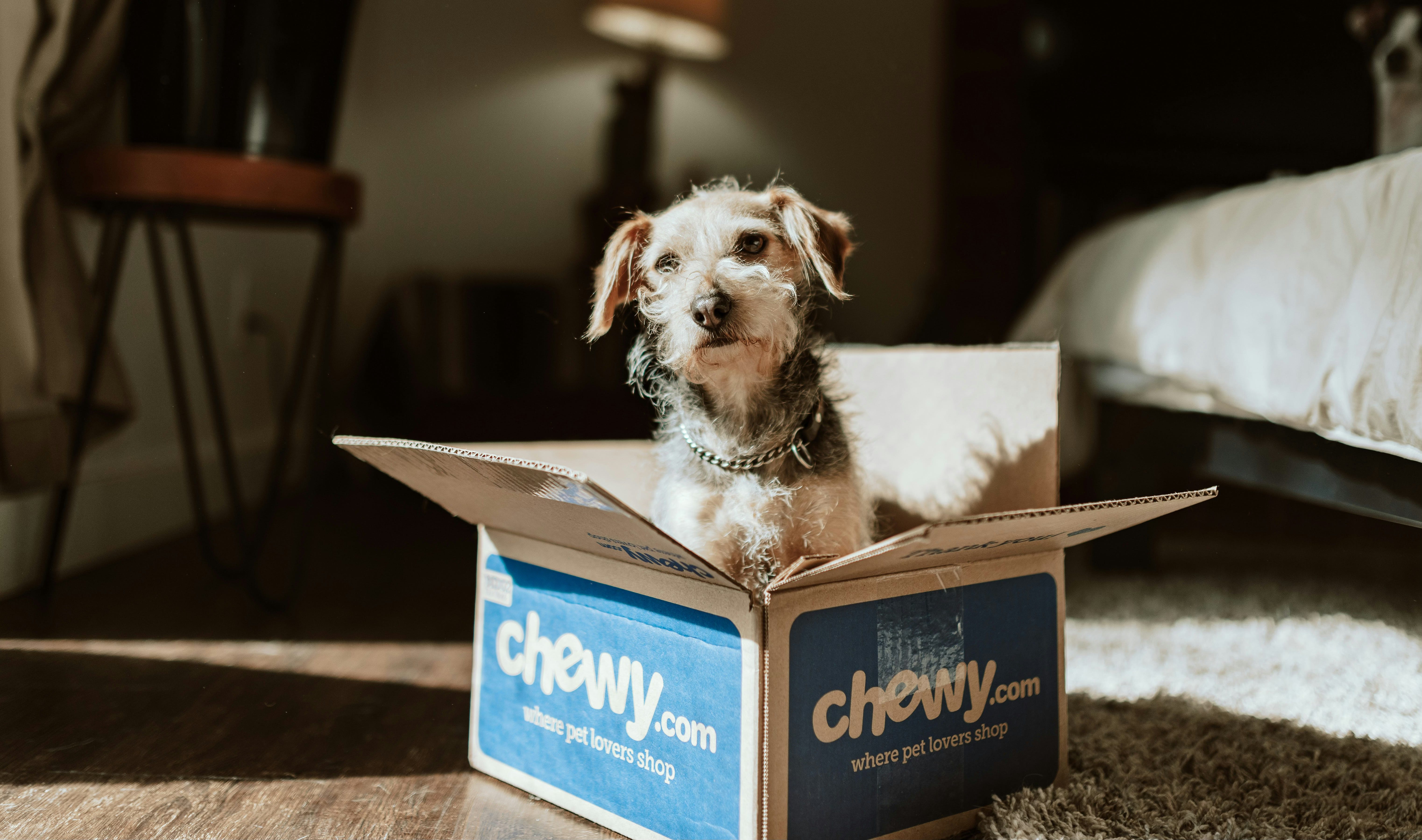
Modern Animal was built on the idea that corporate veterinary care wasn’t meeting the needs of Millennial and Gen Z pet owners. Now, it’s being acquired by a corporation. Whether that’s a contradiction or an opportunity is the question nobody can answer yet—including, probably, Modern Animal.
Chewy announced last week that it’s acquiring Modern Animal, the technology-forward veterinary platform I profiled last year. The deal, pending regulatory review, expands Chewy Vet Care’s footprint from 18 to 47 locations and is expected to add over $125 million in annualized revenue. In a letter announcing the deal, Modern Animal CEO Steven Eidelman said the deal was about bringing the Modern Animal experience to more communities, rather than changing what pet owners had come to love about the company.
When I spoke with Eidelman last year, he was unambiguous about what he was building against. The legacy veterinary model, in his view, had failed everyone involved: pets, owners, and the veterinarians themselves. Modern Animal’s answer was a membership model, same-day appointments, a beautifully designed clinic experience, technology that actually worked, and a holistic compensation model for vets. This strategy attracted over 100,000 member families, veterinary talent, and built something that felt, genuinely, like a different kind of vet. (As I’ve disclosed before, I am a paying Modern Animal member.)
Last year, Eidelman told me his goal was to build “a long-term independent company.” He also knew that growing too fast was “a recipe for stretching yourself too thin.”
Now under Chewy with a mandate to grow, Modern Animal has to prove that what it built can survive at scale.
I profiled Modern Animal a year ago. Read the full story here: The vet clinic with free cold brew and unlimited exams.
Corporate consolidation in veterinary care has been accelerating for over two decades. By some estimates, corporate groups now own around a quarter of all general practice veterinary clinics, with that percentage rising to roughly 75 percent for speciality care clinics. Mars—yes, the candy company—is one of the largest corporate owners in the veterinary health space as the parent company of Banfield, VCA, and BluePearl, which each operate hundreds of vet clinics and hospitals around the country.
Alongside corporate rollups, private equity has fueled growth in veterinary care and backs around 29 percent of the market, according to a 2023 report from the consulting firm KPMG. Modern Animal is very much a part of this trend: The company has raised millions in VC funding since its founding. Eidelman is also no stranger to M&A: Before founding Modern Animal, the CEO sold his first pet tech startup, Whistle, to Mars Petcare in 2016.
The argument in favor of corporate ownership is usually the same: more resources = more scale. In the context of veterinary care, that usually translates to more clinics and improved access to veterinary care. In some cases, that can also mean better salaries and working conditions for veterinarians, which in turn results in better care for your pets.
But let’s not be naïve, either. Corporate ownership introduces new pressures, which can look like production quotas (e.g., you need to see X number of patients a day, or you need to make a minimum of X dollars in revenue for the clinic, or you need to convert X number of patients on this service) and a bottom-line orientation that doesn’t always sit easily alongside the deeply personal nature of pet healthcare. Businesses have to be profitable to continue existing, of course, and there’s always someone to answer to, whether it’s pet owners seeking affordable veterinary care or investors and shareholders seeking returns on their investments. The cost of running a veterinary business isn’t cheap either, so someone has to end up footing the bill.